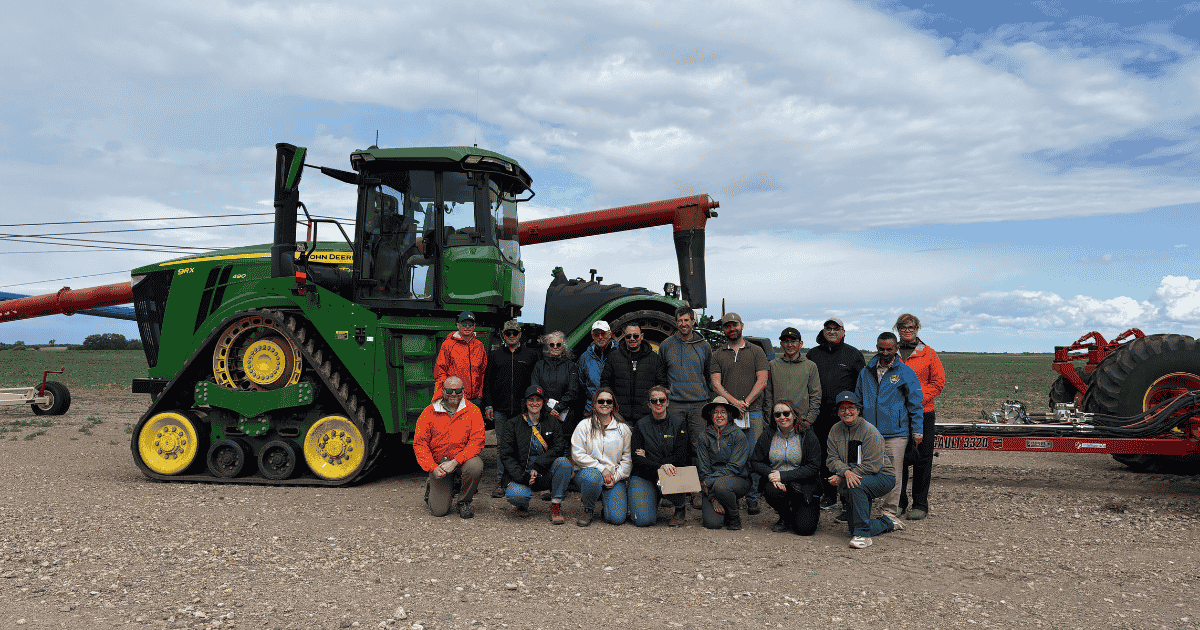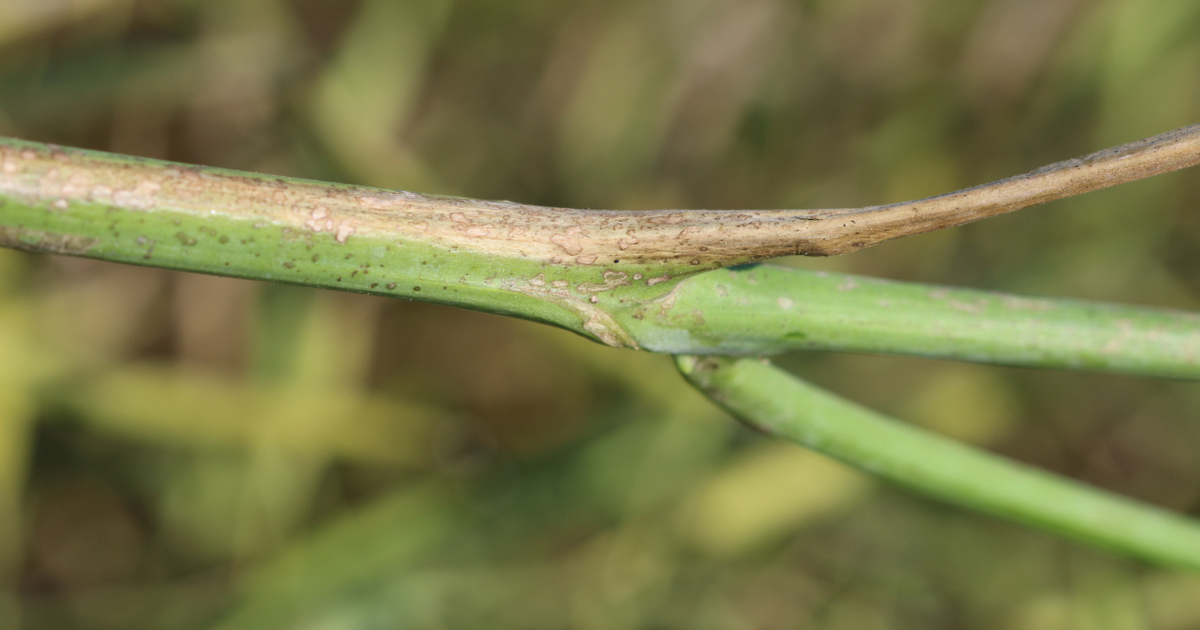

Who decides which research should be prioritized for canola, which practices become the standard, and how the canola industry moves forward together? The answer lies in its industry-wide steering committees.
The canola steering committees are groups of experts from across the industry who come together to focus on a specific priority area for the canola. There are currently steering committees in place for blackleg/verticillium stripe, clubroot, sclerotina, insect pests and nutrient management/soil health.
Each committee is made up of expert representatives from across the value chain, including grower organizations, agronomists, researchers (public and private), extension specialists and industry representatives.
The goal is simple: bring all perspectives together so decisions reflect the realities faced in fields, labs and markets alike. Steering committees are designed to drive action, the main objectives of these groups include:
- Identification of important issues facing canola production and set research priorities.
- Review the latest research to provide updated, aligned best management practices (BMPs) for priority topics.
- Share research results and ideas to reduce duplication and encourage collaboration between groups.
The Farm-Level Payoff
Steering committees turn industry collaboration into practical value for farmers by helping align research, advice and action around the issues that matter most on farm.
- Your voice is included: Grower representation is a core part of committee membership, which means farmer perspectives and real farm experience are built into decisions from the start.
- Better use of research dollars: Alignment helps reduce duplication across the industry, keeps work focused on shared priorities and helps guide grower-funded research toward the areas where it can have the greatest impact.
- Better agronomy advice: When researchers, agronomists, extension specialists and industry members are aligned on priorities and messaging, farmers receive more consistent recommendations based on current, coordinated science rather than conflicting sources or mixed messages.
- Faster response to problems: Whether the issue is clubroot, verticillium or an entirely new challenge, steering committees provide a structure for a coordinated response and help focus expertise where it’s needed most so practical solutions can reach farmers sooner.
As the canola industry continues to face evolving challenges and opportunities, the role of steering committees will remain essential. The ability to align priorities and foster collaboration ensures the sector is working toward common goals. For farmers, this means not only stronger support today, but a more resilient and responsive industry for the future—one that is better equipped to adapt, innovate and succeed together.