Growing canola doesn’t come without challenges, diseases are top of the list for many Manitoba farmers. Many diseases of canola have similar symptoms and co-infect plants across fields, making it more challenging than ever to understand what is causing yield loss in your fields.
Manitoba Canola Growers (MCG) Canola Diagnostics Program helps untangle and support growers and agronomists with lab based diagnostic identification of blackleg, verticillium stripe, and clubroot levels. The results not only help individual farms make better management decisions, but they also provide an important snapshot of disease pressures across the province.
The 2025 diagnostic season saw strong participation with samples submitted from 116 different Manitoba farms, the majority, for a combined verticillium strip and blackleg test.
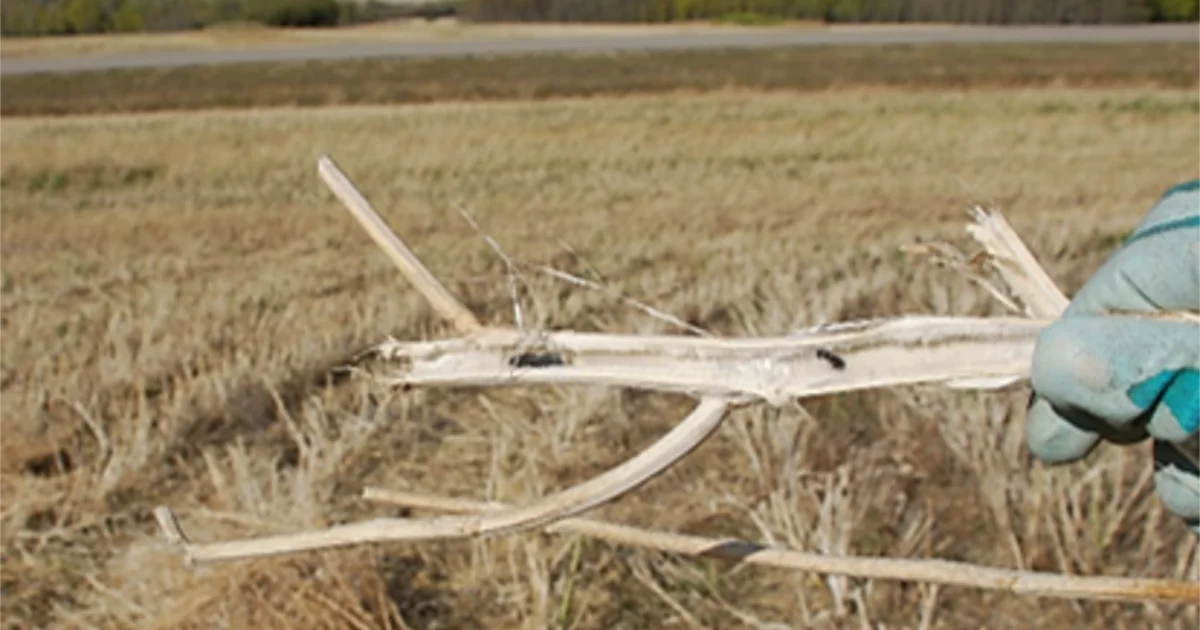
Verticillium Stripe is Widespread
The 2025 results showed verticillium stripe remains a significant disease across Manitoba. Of the submitted field samples 93% were positive for verticillium stripe. With 42% falling into the moderate infection category (50,000 to 200,000 spores/g soil) and 34% classified as having high infection levels (200,000 to 1,000,000 spores/g soil).
These findings demonstrate that verticillium stripe is firmly established in many Manitoba canola-growing regions and warrants close attention from growers and agronomists.
Blackleg Still a Major Concern
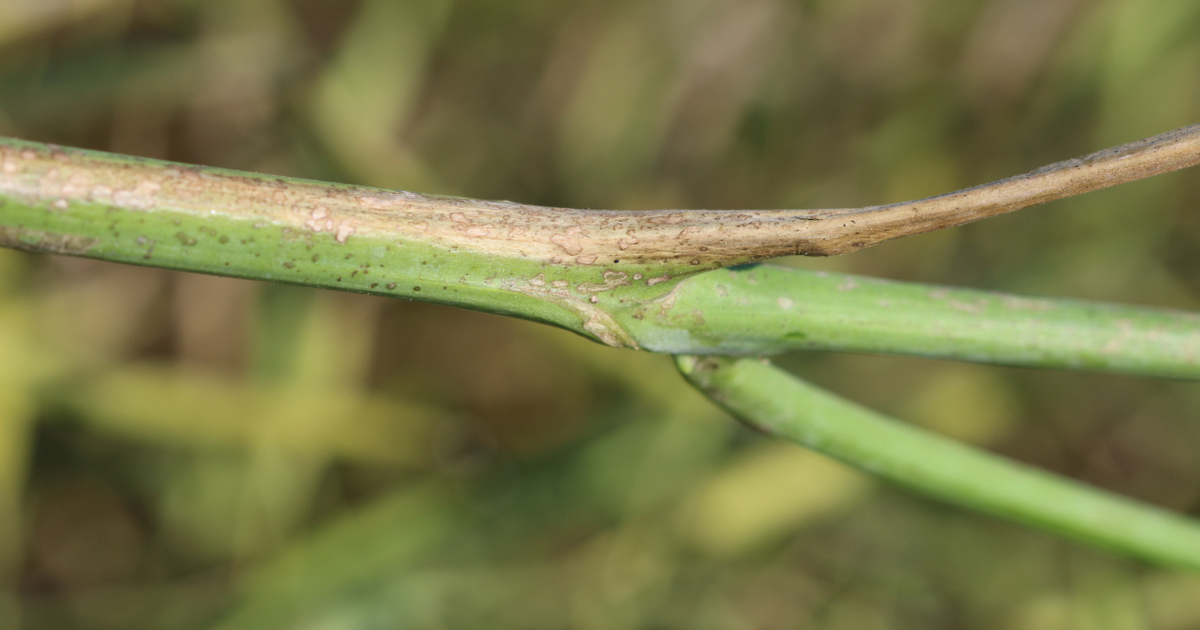
Blackleg continued to be detected throughout the province in 2025. Among the submitted samples 73% of samples submitted were positive for blackleg with a moderate to high infection level (50% infection or greater).
The program also provides race profiling information, helping researchers and industry better understand which blackleg populations are present across the province and how they may be changing over time. This information supports future resistance management and variety selection decisions for the growers that submitted.
One notable observation from the 2025 data was that fields with very high levels of one disease often had relatively low levels of the other. Very few samples showed high levels of both verticillium stripe and blackleg simultaneously. Fields tended to have one disease or the other as the dominant issue when high infection levels occurred, or alternatively a low-to-moderate level of infection for both diseases. This highlights the importance of proper diagnosis for developing an effective management strategy.
Clubroot Submissions Remain Low
Only three clubroot samples were submitted in 2025, and no positive clubroot samples were identified. Low submission numbers make it difficult to draw broad conclusions about clubroot prevalence across Manitoba. Even when growing varieties that provide good clubroot resistance continued monitoring remains important, particularly in areas with known clubroot risk.
Why Submit Samples This Fall?
Harvest is the ideal time to evaluate disease levels and gather information that can guide future decisions. Samples submitted through MCG Canola Diagnostics program provide value back to Manitoba farmers and agronomists through:
- Confirming top diseases of concern on a field level
- Guiding canola variety choices
- Supporting crop rotation decisions
- Contributing to province-wide disease monitoring and research
- Helping researchers track changing blackleg race populations and the spread of verticillium stripe across Manitoba.
The more samples submitted, the stronger the picture we have of disease trends across Manitoba, meaning we are better able to support farmers.
Take action this fall, don’t leave disease management to guesswork. All MCG Members receive free disease testing through Canola Diagnostics.
Click here to learn more.