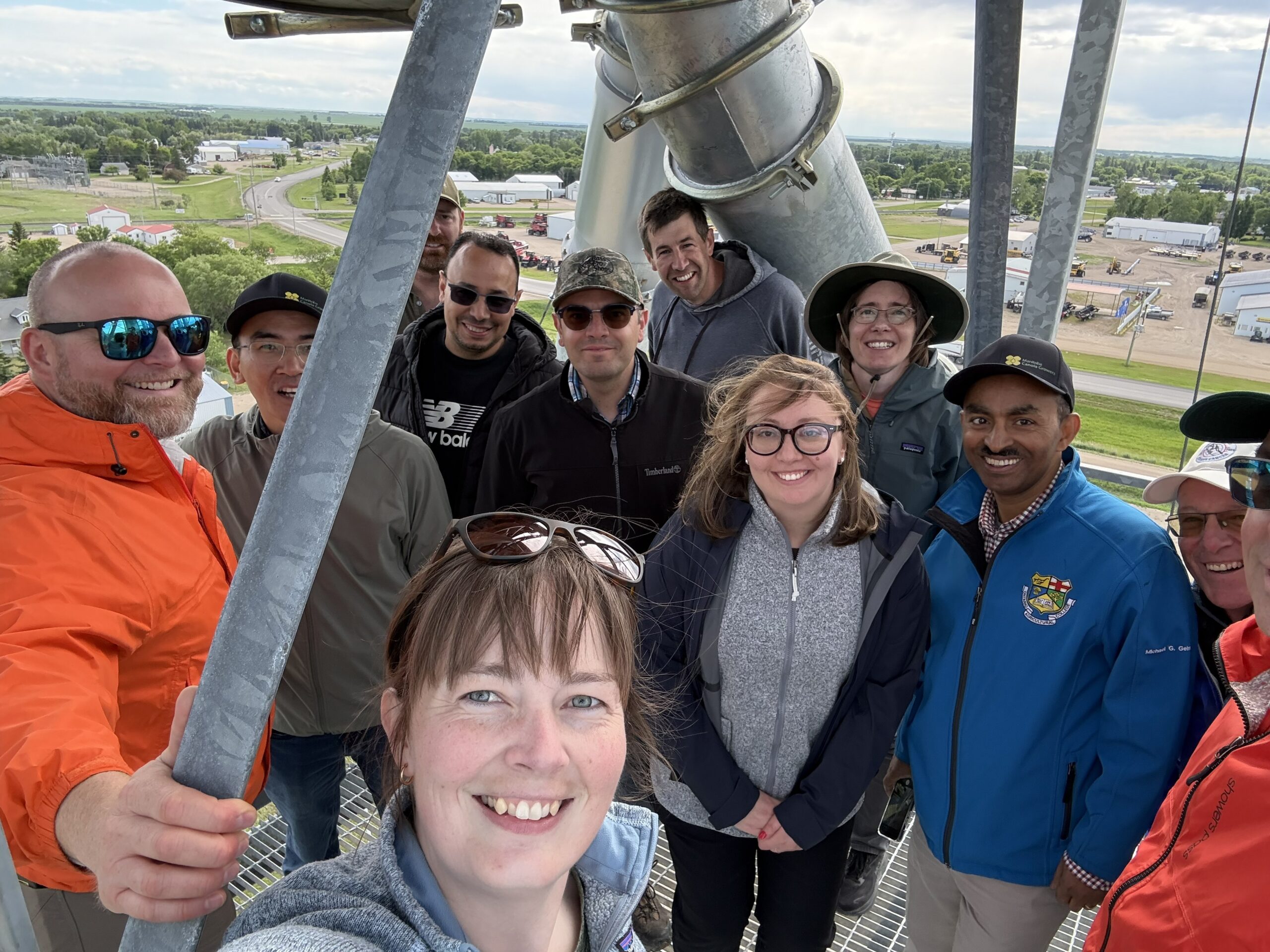
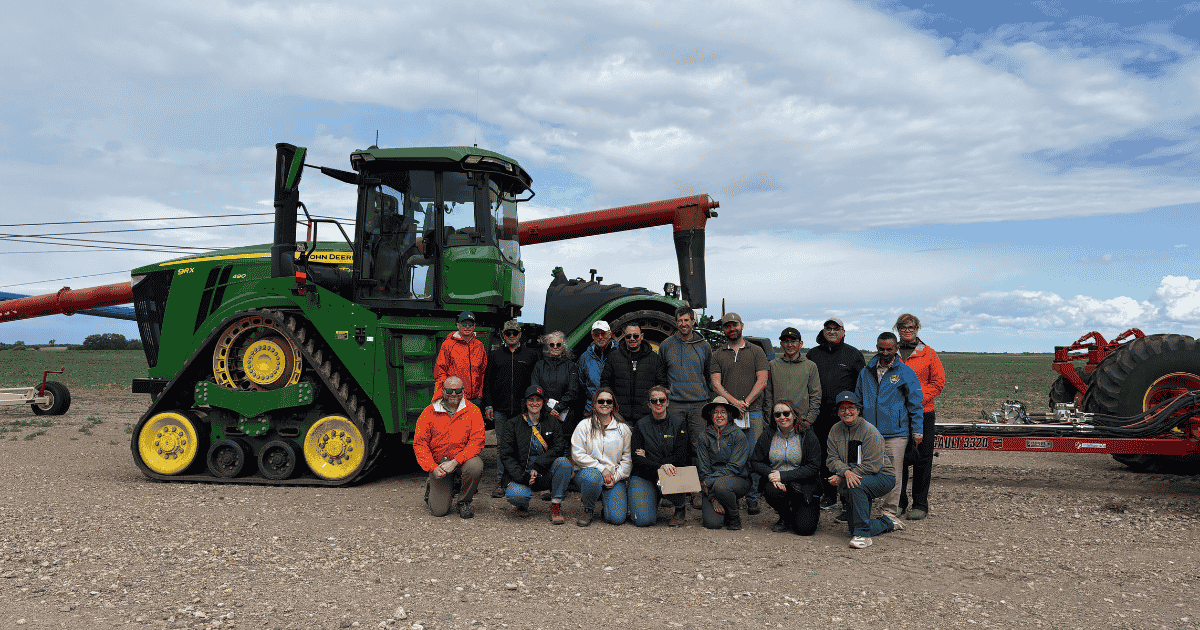
2026 marked the fifth annual Canola Research Camp. An idea that was inspired by Harvest Camp, a program previously run through MCG’s Market Development program that connected chefs and dietitians to Manitoba farms from 2012 – 2019. Research Camp launched in 2022 and over the last five years, MCG has connected over 50 researchers with Manitoba farmers. Each year researchers travel from different research institutions within Manitoba and from across Canada, to tour six diverse farms across canola growing regions of the province.
Now, the real question is, why is Research Camp such a valuable program? The answer is simple. A growing gap exists between agricultural researchers and prairie farmers. Research is most valuable when it reflects farmers’ priorities and supports on-farm innovation; Research Camp focuses on just that, connecting researchers to Manitoba Farmers.
This year, MCG connected 14 researchers with six different farms across southwestern Manitoba over the course of two days, giving researchers an opportunity to see firsthand the challenges, innovations and realities shaping Manitoba farms.
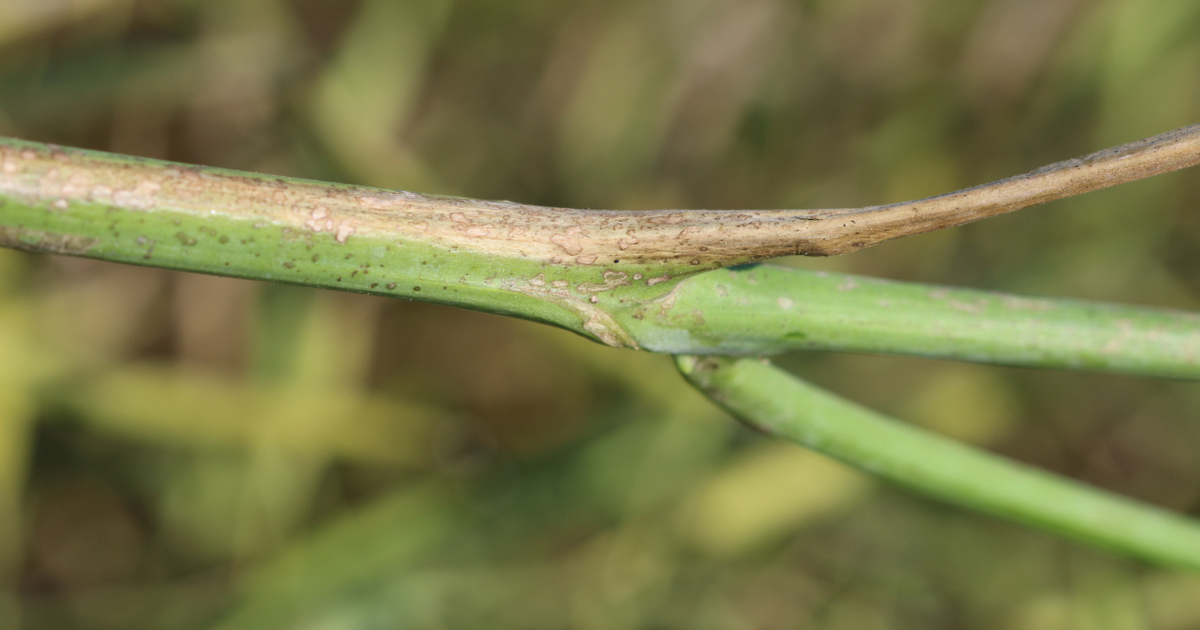
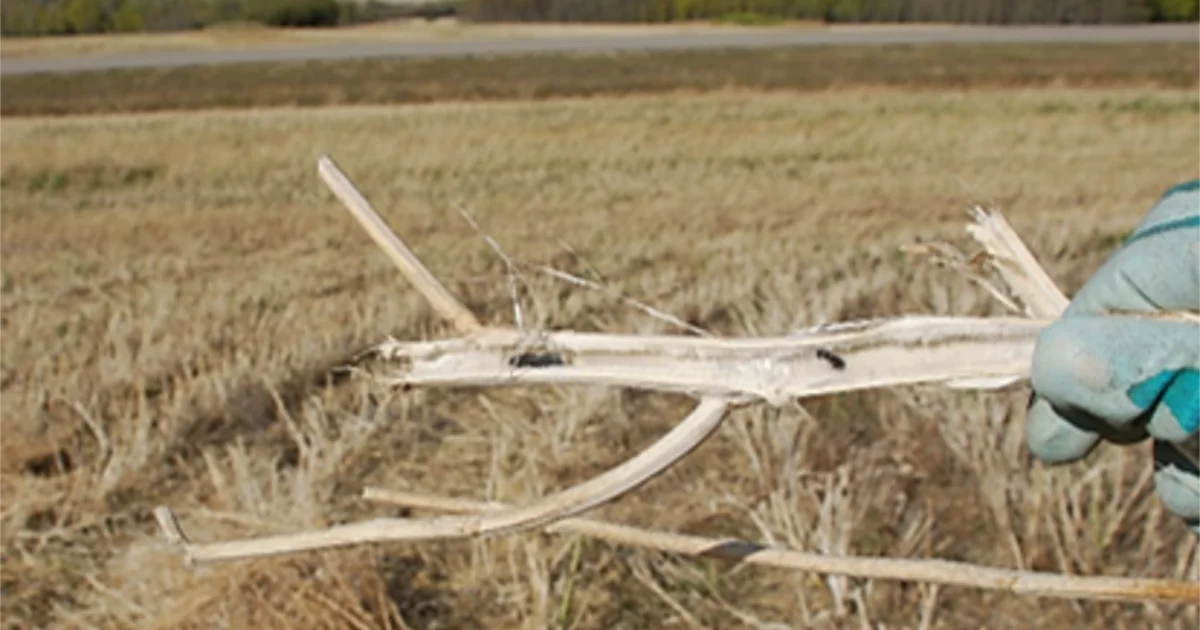
The group kicked things off in Winnipeg before travelling to Steppler Farms near Miami to learn about the farm’s bee operation. Ian Steppler walked the group through the close relationship between the beekeeping and canola industries. From there, the group travelled to La Rivière to meet with Vern Reimer and learn about his ongoing challenges with verticillium stripe and how whole farm decisions are being shaped by disease management considerations. The day wrapped up at Sawatsky Ventures near Killarney, where Ryan gave the group a closer look at some of the technology and equipment used on the farm. Highlights included a John Deere sprayer equipped with See & Spray technology and the farm’s grain-drying system. The visit gave researchers a practical look at how different pieces of equipment and technology fit into day-to-day farm operations and decision-making.
Day 2 kicked off at Perkin Land & Cattle near Elgin with an inside look at the farm seeding and spraying equipment, while talking about their diverse rotations. He explained how hay land and other minor crops are incorporated into the rotation to manage risk and support the farm’s cattle operation, giving researchers insight into how crop and livestock production work together on a mixed farm. From there, the group travelled to Marginet Farms near Treherne, where George Moir introduced researchers to the world of potato production. For many in the group, it was a unique opportunity to discuss a crop they don’t often encounter, and learn how it coexists with canola on many acres across Manitoba.
The final stop of the tour was Ronald Farms, where Nicolea Dow shifted the conversation from agronomy and equipment to the business of farming. Researchers dug into the economics of farming, analyzing expenses, input and equipment costs, marketing considerations, and other key factors that determine a farm’s overall profitability. The discussion offered an important perspective to close out the tour: producing a successful crop is only one part of running a successful farm. By working through real-world numbers, researchers gained a better understanding of the financial decisions and risks producers navigate each year and how canola fits within the larger picture of farm profitability.
This event would not be possible without the farmers who generously share their time, experiences, and perspectives with researchers, and who welcome us onto their farms during an already incredibly busy time. One researcher summed up the value of the experience perfectly:
“Great forum for allowing researchers to be inspired by the interest (and appreciation) that producers have for research and innovation.”
The 2026 Canola Research Camp went off without a hitch, and we are grateful to everyone who helped make it such a success. We’re already looking forward to continuing this event for years to come!